Cape Girardeau, MO
Insulation alone cannot stop air from moving through gaps. We seal every penetration in the attic floor before any insulation goes in, so both investments actually work.
Attic air sealing in Cape Girardeau means finding and plugging the gaps, cracks, and openings in the attic floor that let conditioned air escape - most jobs are completed in one to two days with no major disruption and no exterior work.
Warm air rises. In winter, your heated air pushes upward through every unsealed gap around light fixtures, plumbing pipes, wall tops, and attic hatches. In summer, hot attic air finds its way down into your living space through those same openings. Sealing those gaps breaks that cycle and is the step that makes insulation work as intended. If you are also planning to add material to your attic floor, our retrofit insulation service covers that as a follow-on step once sealing is complete.
Cape Girardeau's climate swings hard in both directions - humid summers that push into the mid-90s and winters with temperatures that drop well below freezing. Homes here pay a double penalty for unsealed attics: you lose in summer and you lose in winter. That makes this one of the most practical investments a homeowner in this area can make.
If rooms directly below the attic feel noticeably warmer than the rest of your home during Cape Girardeau's long, humid summers - even with the air conditioning running - hot attic air is finding its way down through unsealed gaps. This is especially common in older Cape Girardeau homes where the attic floor was never sealed. Adding more insulation alone will not fix it.
Cape Girardeau summers are long and hot, and your cooling system should keep up without running constantly. If your Ameren bill climbs sharply in peak months and your system seems to run all day without catching up, air leakage from the attic is often a contributing cause. Sealing those gaps gives your system a fighting chance.
Hold your hand near an electrical outlet on an interior wall on a cold January day. If you feel cool air coming through, that air is traveling up from below and out through your attic - and unsealed attic gaps are part of that pathway. This is very common in Cape Girardeau neighborhoods with pre-1980s construction, including the older streets near downtown and the riverfront.
If you peek into your attic and the insulation looks flat, thin, or discolored - or if you can see the tops of the floor joists - the attic has not been updated in a long time. Old, settled insulation also means the gaps underneath were likely never sealed. This is a common situation in Cape Girardeau homes that have changed hands without any energy upgrades.
We seal every identifiable gap in the attic floor using caulk, foam, and rigid materials matched to the type of penetration. That means recessed light fixtures, plumbing and electrical chases, interior wall top plates, HVAC drops, and the attic hatch itself. We complete all sealing before any new insulation goes in - that is the correct sequence and the one that makes both investments perform as intended. For homeowners who also want to address air movement throughout the rest of the house, our air sealing services cover the broader building envelope beyond just the attic floor.
Many Cape Girardeau homes - particularly those built before 1980 in neighborhoods like Lorimier and Elmwood, and older streets closer to the Mississippi River - have attic floors that were never sealed when the houses were built. That is not a flaw in the original construction; it simply was not a standard practice at the time. Today, sealing those gaps is one of the most cost-effective things you can do to reduce energy costs and improve comfort. We assess each attic individually and explain exactly what we find.
Fire-rated covers seal around fixtures that open directly into the attic - one of the largest bypass sources in older homes.
Foam and caulk applied around every pipe, wire, and chase that passes through the attic floor into living space below.
The gaps along the tops of interior walls are often the most overlooked bypass location - and among the most impactful to seal in two-story homes.
Pull-down stairs and attic hatches are frequently left unsealed - we add weatherstripping and insulation covers to eliminate that loss point.
Cape Girardeau's location on the Mississippi River means outdoor humidity is consistently higher than in drier parts of Missouri. When warm, humid air finds its way into an unsealed attic during summer, it can cause condensation, mold, and wood rot over time. A contractor doing attic air sealing in this area needs to think about moisture management alongside stopping air movement - not just the air-loss side of the equation. We account for both on every job. A large share of the city's housing stock was built before modern energy codes, and many homes in neighborhoods near downtown and the older west-side streets have never had this work done. We serve homeowners throughout Cape Girardeau and nearby communities, including Jackson, MO and Farmington, MO, where older housing stock is common as well.
Ameren Missouri, the primary electric utility serving Cape Girardeau, offers rebates for air sealing and insulation work completed by participating contractors. That means part of your project cost may be recoverable - but the timing and documentation matter, so it is worth asking about before you sign anything. The ENERGY STAR Seal and Insulate program is a useful reference for understanding what a properly sequenced air sealing and insulation project should include.
We respond within 1 business day. We ask a few basic questions - your home's age, any comfort or energy bill concerns, and whether you have had attic work done before - and schedule a free in-person estimate at a time that works for you.
We go into the attic, check the current insulation condition, and identify every gap and penetration. We explain what we found and can take photos before any work begins. This visit typically takes 30 to 60 minutes, and you get a written estimate the same day or within 24 hours.
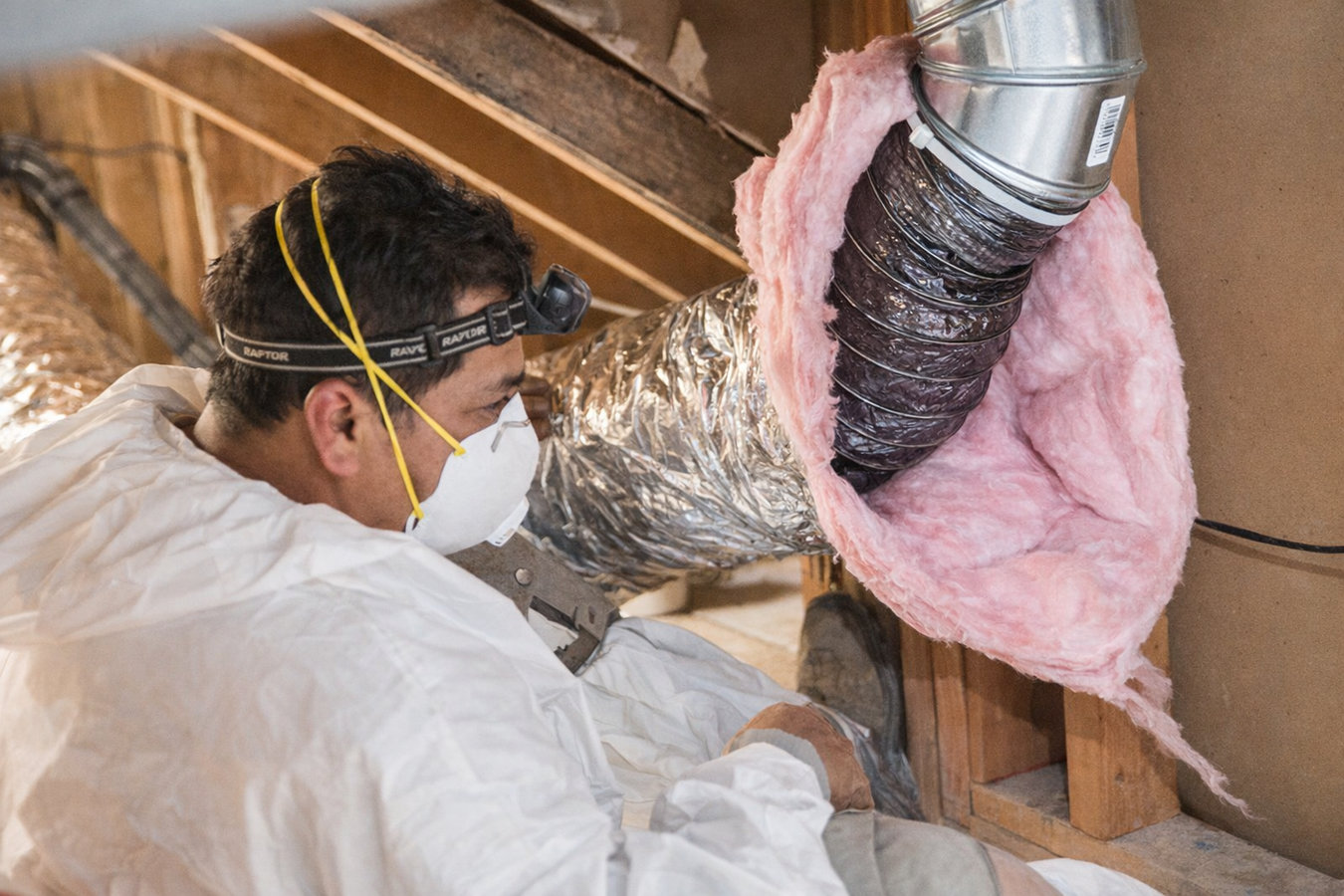
The crew moves or lifts existing insulation to expose the attic floor, then applies foam, caulk, or rigid covers to every gap and penetration. You can stay home during the work. The whole job is contained in the attic and access area - no exterior work, no visible change to the outside of your home.
When sealing is done, we walk you through what was found and sealed - including any rebate documentation you need for Ameren Missouri. Insulation is replaced or added on top. There is no curing period; you can use every room normally right away.
Call (573) 381-9088 or fill out the form. We respond within 1 business day and provide a free written estimate after an in-person assessment - no pressure, no obligation.
(573) 381-9088We do not skip the sealing step and go straight to adding insulation. Every project starts with a full attic air seal - the industry-correct sequence that makes both investments perform as intended. A contractor who adds insulation on top of unsealed gaps is leaving significant performance on the table, and you end up paying twice.
Most of this work happens in a space you cannot easily inspect yourself. We take photos of gaps found and sealed, walk you through the work before we close up the attic, and provide any documentation you need to claim Ameren Missouri rebates or federal tax credits. You have a record of exactly what was done.
A large share of Cape Girardeau's homes were built in the 1950s through 1980s - a period when attic air sealing was not a standard part of construction. We work in these homes regularly and understand what pre-modern attic layouts look like. That experience matters when the penetrations are not where a newer home would put them.
Cape Girardeau's proximity to the Mississippi River means humidity is a real factor in attic work. We think about ventilation and moisture control on every job - not just stopping air movement. The Building Performance Institute sets the professional standard for this kind of diagnostic work, and it guides how we approach every attic assessment.
Attic air sealing is invisible once the work is done, which is exactly why documentation and a contractor you can trust matter so much. We give you both.
Add insulation to your existing attic after sealing is complete to reach the recommended R-value for Cape Girardeau's climate.
Learn moreWhole-home air sealing addresses gaps throughout the building envelope, not just in the attic floor.
Learn moreSchedule before peak season fills the calendar - sealing now means your home is ready before the hottest or coldest months arrive.