Cape Girardeau, MO
You do not need a full renovation to fix an under-insulated home. We add insulation to existing attics, walls, crawl spaces, and rim joists without major disruption - most jobs are done in a single day.
Retrofit insulation in Cape Girardeau means adding insulation to a home that is already built - blowing, spraying, or rolling new material into attics, walls, and crawl spaces to fill in gaps that are letting your heated or cooled air escape, most jobs completed in a single day without moving out.
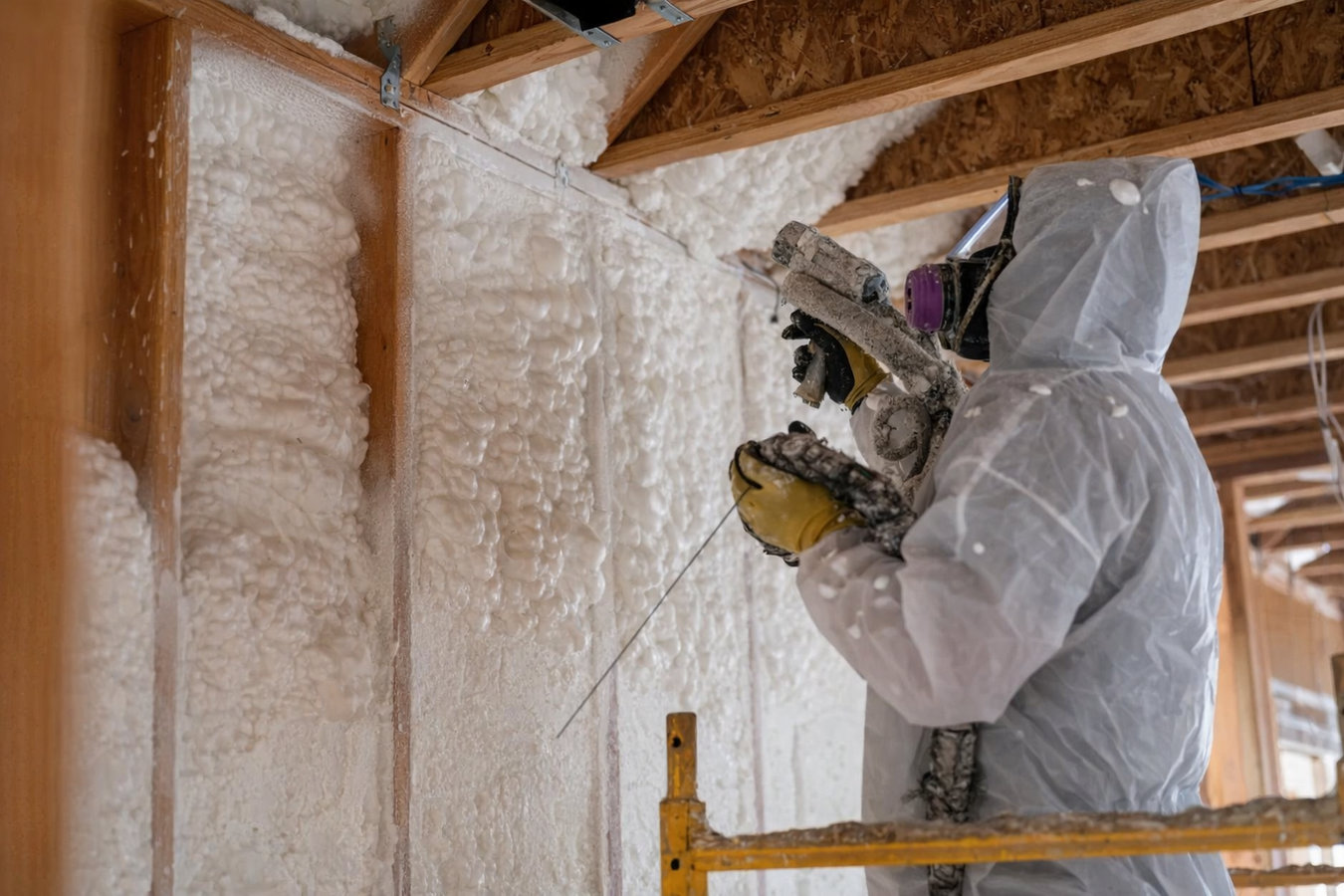
Cape Girardeau has a large share of homes built before the 1980s, when insulation standards were much lower than they are today. If your home falls in that category, it is likely running on a fraction of the insulation it needs. A retrofit does not require tearing anything out - contractors work with the existing structure using equipment that fills wall cavities and attic floors through small access points. For homes that also need gaps plugged before new material goes in, our spray foam insulation service handles the sealing step alongside the insulation work.
Cape Girardeau sits in a climate that demands a lot from your home in both directions - hot, humid summers and cold winters with real freeze-thaw cycles. An under-insulated home pays a penalty on both its summer electric bills and its winter gas bills. A retrofit pays off faster here than it would in a milder climate because you are saving money in every season, not just one.
If your gas or electric bills have been creeping up year over year and you have not added appliances or changed your habits, your insulation may be the issue. Cape Girardeau's combination of hot summers and cold winters means an under-insulated home runs its HVAC system harder and longer than it should. A home working this hard to stay comfortable is almost always losing conditioned air somewhere.
If one bedroom is always freezing in January or one corner of the house turns into an oven in July, insulation is uneven or missing in that part of your home. This is especially common in older Cape Girardeau homes where insulation was added piecemeal over the years, or where a room addition was built without proper insulation being installed. Comfort should be consistent from room to room.
Hold your hand near an electrical outlet on an exterior wall on a cold winter day. If you feel cool air coming through, the wall cavity behind it has little or no insulation. The same test works near baseboards and where the floor meets the wall. In older Cape Girardeau homes these gaps are common - and they are exactly the kind of problem a retrofit is designed to fix.
If your home was built before the mid-1980s and has never had an insulation assessment, there is a strong chance it does not meet today's recommended levels. Building codes and standards have changed dramatically since then, and many older Cape Girardeau homes were built with materials that have settled, compressed, or degraded over time. An assessment costs nothing and gives you a clear picture of where you stand.
We start with a walkthrough of the home and an assessment of each location - attic depth and air sealing status, wall cavity fill, crawl space conditions, and basement rim joist. The Department of Energy recommends attic insulation with an R-value between R-49 and R-60 for Cape Girardeau's climate zone, which is roughly 14 to 18 inches of blown-in material. We measure what you currently have and tell you exactly how far short you are. Our home insulation service covers whole-home assessments when you want to address multiple areas at once rather than just the attic.
Blown-in fiberglass and cellulose are the workhorses of retrofit insulation - pumped through a hose from a machine outside your home, filling the attic floor or wall cavities without major demolition. For wall cavities, we drill small access holes through the siding rather than opening drywall, which keeps disruption to a minimum. We prioritize the improvements with the highest return on investment for your specific home and budget, then execute them in a single coordinated visit when possible. Federal tax credits under the Inflation Reduction Act can cover up to 30 percent of qualifying insulation costs, up to $1,200 per year - we provide the documentation you need to claim it.
Blown-in material added to bring your attic floor up to the recommended depth for Cape Girardeau's climate zone - the highest-return location in most homes.
Dense-pack blown-in insulation injected through small holes drilled in the siding - no drywall removal required for most exterior wall retrofits.
Insulation added to unfinished crawl spaces and basement rim joists in homes that have never had coverage in those areas - a common situation in older Cape Girardeau construction.
The framing that runs around the edge of your floor above the foundation is a notorious cold-air entry point - we seal and insulate it as part of most crawl space and basement retrofits.
A significant portion of Cape Girardeau's homes were built between the 1940s and 1980s - a period when insulation requirements were minimal or nonexistent. Many of those homes have attics with just a few inches of original batt or blown-in material, empty wall cavities, and completely uninsulated crawl spaces. Cape Girardeau's position near the Mississippi River also means humidity is a real concern. Contractors who add insulation without first checking for humidity problems in the crawl space or attic can trap moisture inside the building envelope, leading to mold and wood rot over time. We assess humidity conditions before any material goes in. We serve homeowners across the region, including Poplar Bluff, MO and Sikeston, MO, where the same older housing stock and climate conditions apply.
Southeast Missouri also sees active severe weather from spring through early fall, and many homeowners use the late fall and winter months to tackle projects like insulation. That means contractors are often busiest in October through February. Scheduling in late summer or early fall gets you on the calendar before the seasonal rush and ensures your home is ready before the coldest months. The U.S. Department of Energy insulation guide is a useful reference for understanding what R-value your home should reach based on your climate zone.
We respond within 1 business day. We ask a few basic questions - your home's age, whether you've had insulation work done before, and which areas concern you most. Most contractors can schedule an in-home assessment within a few days. You do not need to prepare anything for this first call.
We visit your home and check the current state of your insulation - usually starting in the attic, then the crawl space. We measure how much insulation is there, look for air leaks, and check for moisture issues. This visit typically takes 30 to 60 minutes and you receive a written estimate the same day or within 24 hours.
The crew sets up the blowing machine outside and runs a hose to the area being insulated. In the attic, baffles are laid near the eaves to maintain airflow, then the floor is filled to the recommended depth. A typical attic retrofit takes three to five hours. You can stay home - there is no need to vacate the property.
When the work is done, we show you the depth of the new material - many contractors use a ruler so you can see it clearly. We provide the product data sheet and documentation you need to claim any federal tax credits. No curing time needed; the material is ready immediately.
Call (573) 381-9088 or fill out the form. We respond within 1 business day and provide a free, written estimate with no obligation and no sales pressure.
(573) 381-9088We measure your current insulation levels, check for air leaks, and look for moisture issues before we recommend anything. That assessment phase is what separates a quality retrofit from a contractor who just blows in more material and calls it done. Skipping it leads to poor results and, in Cape Girardeau's humid climate, potentially trapped moisture.
Not every location in your home delivers the same return. We give you a prioritized recommendation based on your specific home and budget - attic first in most cases, then crawl space, then walls. That approach means your money goes where it will make the most measurable difference on your energy bills.
A large share of the homes we work on in Cape Girardeau were built before modern insulation standards existed. We understand what these homes look like from the inside - original wood framing, older attic layouts, crawl spaces that were never insulated. That experience means fewer surprises on installation day and recommendations that fit the actual construction you have.
We provide the product data sheets and installation receipts you need to claim the federal tax credit for qualifying insulation work. The North American Insulation Manufacturers Association sets the installation guidelines our work follows - which is the same standard used to determine whether your project qualifies for federal incentives.
A retrofit insulation project done right gives your older Cape Girardeau home the performance of a newer one - without tearing out walls or disrupting daily life.
Spray foam is often used to seal rim joists and hard-to-reach gaps as part of a complete retrofit insulation project.
Learn moreA whole-home insulation assessment covers every area of the house and prioritizes where a retrofit will have the biggest impact.
Learn moreSchedule before the fall rush fills the calendar - get your home ready before the coldest months and keep more of your heating budget where it belongs.