Cape Girardeau, MO
If your upstairs is too hot in July and freezing in January, your attic is working against you. Proper attic insulation keeps every room comfortable through Missouri's extremes - and most jobs are done in a single day.
Attic insulation in Cape Girardeau is the single most impactful upgrade in most homes - heat rises and escapes through an under-insulated ceiling in winter, then radiates back down through it all summer, and most jobs are completed in one day with no need to leave your home.
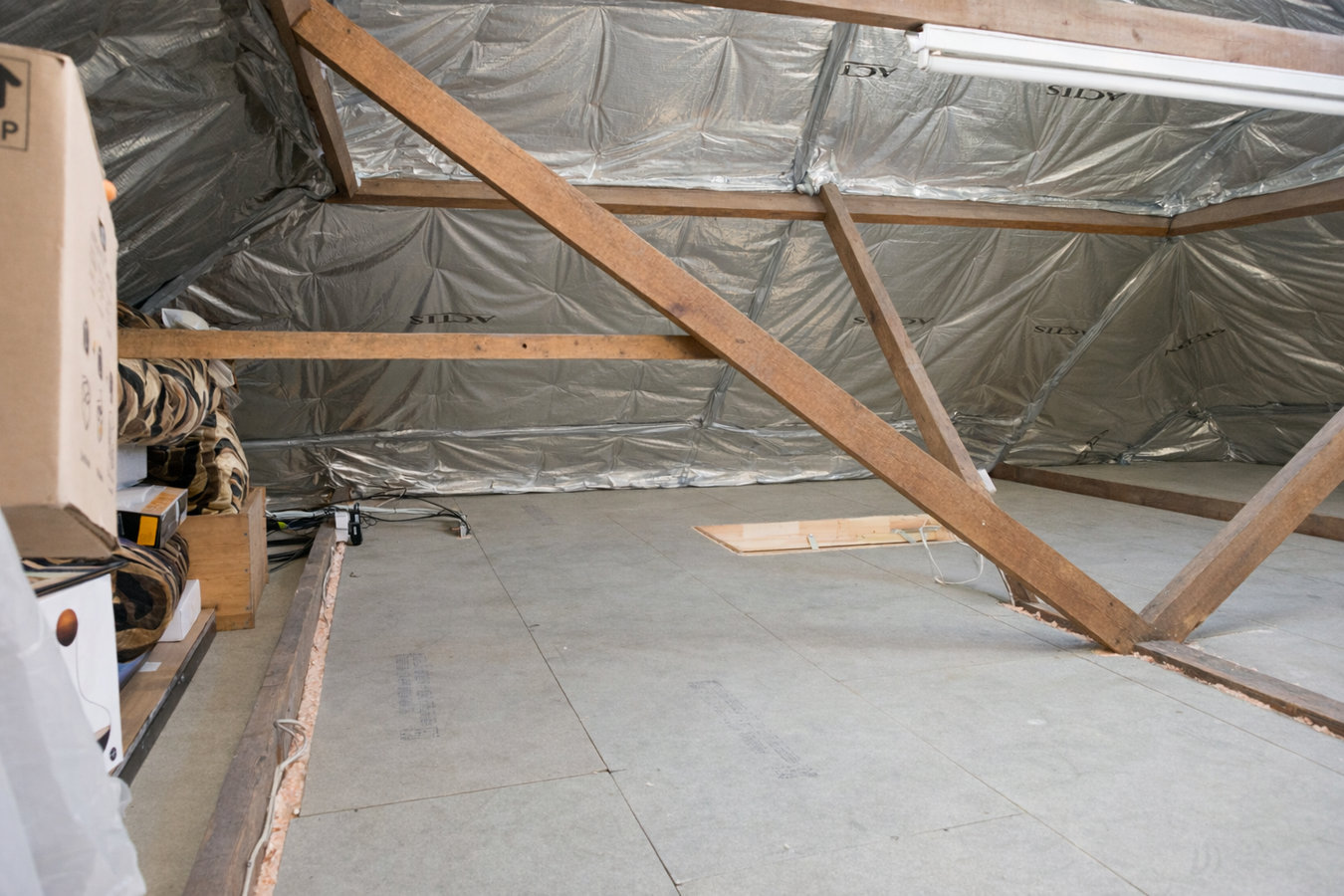
The federal government recommends attics in this climate zone reach roughly 13 to 19 inches of blown-in material - a target most older Cape Girardeau homes fall well short of. If your home was built before the 1980s and has never had insulation work done, it is very likely heating and cooling the outdoors at your expense every month. Proper attic insulation works alongside blown-in insulation methods to fill every inch of the attic floor, including the irregular spaces near the eaves that other approaches miss.
The attic is also where air sealing makes the biggest difference. Air moving through gaps around light fixtures, pipes, and attic bypasses is responsible for a large share of energy loss in most homes - and insulation alone cannot stop it. We seal those gaps before any new material goes in, which is what separates a job that delivers real results from one that looks done on paper but underperforms.
If your electric bill climbs sharply when Cape Girardeau's summer heat sets in, or your gas bill jumps in January, your attic is likely the main cause. Heat moves through an under-insulated attic ceiling in both directions, making your HVAC work much harder than it should. This pattern tends to get worse each year as existing insulation compresses and loses effectiveness.
A bedroom on the top floor that never cools down in summer or stays noticeably colder in winter is a reliable sign the attic above it is not doing its job. This is especially common in older Cape Girardeau homes where insulation was installed unevenly or has settled and thinned over decades. The problem gets worse as the home ages.
Homes built in Cape Girardeau before the early 1980s were constructed under much older building standards. Many have attic insulation that is only 3 to 4 inches deep - a fraction of what is recommended today. If you have never had an insulation contractor look at your attic, there is a strong chance you are losing money through the ceiling every month.
Southeast Missouri's warm, humid conditions attract mice and squirrels that nest in attics and flatten or contaminate insulation quickly. If you have heard scratching in the ceiling or found evidence of pests, the existing insulation may have lost much of its effectiveness and could be creating air quality concerns. Once the pest issue is resolved, a proper assessment of what needs replacing is the right next step.
We handle the full range of attic insulation work - from adding blown-in material on top of existing insulation to complete removal and replacement jobs where the old material has been damaged or contaminated. Every job starts with air sealing before new insulation goes in, which is the step that most shortcuts skip but that makes the biggest difference in real-world results. Our attic air sealing service covers that step in detail if your home needs it addressed separately or as a standalone project.
For attics where the roof pitch and layout make blown-in insulation difficult in certain areas, spray foam at the rafter bays or rim joists can round out the thermal boundary. We assess each attic individually and recommend the combination of methods that makes the most sense for your home's age, construction, and current insulation level - not a one-size-fits-all approach.
The most common and cost-effective method for attics - covers the full floor including irregular spaces and eave areas that batts leave exposed.
We seal gaps around penetrations and attic bypasses before any new material goes in - the step most shortcuts skip and the one that makes the biggest difference.
When existing material is water-damaged, pest-contaminated, or simply too degraded to add on top of, we remove it completely before starting fresh.
Rim joists at the attic perimeter are a common cold-air pathway in older homes - closed-cell spray foam seals and insulates this area in one step.
Cape Girardeau summers are genuinely extreme for attics. When July temperatures climb into the low 90s and humidity makes it feel hotter, attic spaces can reach 140 to 150 degrees Fahrenheit - and that heat radiates directly through the ceiling into your living space if the insulation underneath it is thin. An air conditioner working against a superheated attic has to run almost constantly to maintain comfort. Proper insulation depth breaks that cycle and lets your HVAC system actually rest between cycles. Homeowners in Farmington, MO and Jackson, MO face the same conditions, and we serve those areas as well.
Cape Girardeau winters bring repeated freeze-thaw cycles that widen small gaps in attic construction over time - gaps that let warm air escape in winter and hot air seep in during summer. This is especially relevant for older homes in the Lorimier Street neighborhood, the streets near downtown, and the historic blocks around Southeast Missouri State University, where original construction often had minimal insulation from the start. The U.S. Department of Energy provides recommended R-values by climate zone - Cape Girardeau falls in Zone 4, where attic targets are higher than many older homes currently meet.
We respond within 1 business day. We ask a few basic questions - your home's age, whether you have had any insulation work done before, and what has been prompting your concern. We schedule a free on-site visit at your convenience.
We go up into your attic and check how much insulation is there, whether it is in good condition, and whether there are any air leaks, moisture issues, or signs of pest damage. A contractor who quotes a price without first looking at your attic is a red flag. Ours always look first.
You receive a written quote that explains what work is recommended, what materials will be used, what depth the new insulation will reach, and the total cost. We tell you whether old insulation needs to come out and whether air sealing is included - no vague line items.
The crew sets up a blower machine, runs a hose into your attic, seals air leaks, and adds insulation to the target depth. Most jobs take two to six hours. You can stay home - the work stays entirely in the attic. When done, we confirm the depth reached across the whole space and leave the area clean.
Call (573) 381-9088 or fill out the form. We respond within 1 business day and provide a free written estimate after an on-site visit - no pressure, no obligation.
(573) 381-9088Many contractors skip air sealing and just blow in insulation - which looks right on paper but leaves the biggest energy leak unaddressed. We seal gaps around light fixtures, plumbing penetrations, and attic bypasses before any new material goes in. That two-step approach is what actually changes what you see on your utility bill.
A significant share of Cape Girardeau homes were built before modern energy codes existed - many before 1960. We work in those attics regularly and know what original construction looks like, where the gaps tend to be, and what conditions to check for before adding new insulation. That experience reduces surprises during the job.
We tell you whether your existing insulation can be built on top of or needs to come out first - and we explain why. If the material is in good shape, we say so and save you the removal cost. If it has been damaged by moisture or pests, we show you what we are seeing. The U.S. Environmental Protection Agency recommends addressing mold and moisture before covering it with new material - we follow that guidance.
We do not give prices over the phone without visiting first. Attic conditions vary significantly from home to home, and a quote that does not account for what is actually up there is not worth much. Every estimate is written, includes what depth the insulation will reach, and covers what is in scope - so you know exactly what you are getting.
Attic insulation is one of those jobs where the difference between a good installation and a mediocre one is not visible from the living room. We make the process transparent so you know what was done and can verify it before we leave.
The most common method for adding insulation to existing attics - fast, complete coverage without disrupting your living space.
Learn moreAir sealing should always come before new insulation is added - this service addresses the gaps that make insulation underperform.
Learn moreCape Girardeau summers are coming - reach out now to lock in your installation before the busy season and start seeing lower energy bills before the heat arrives.